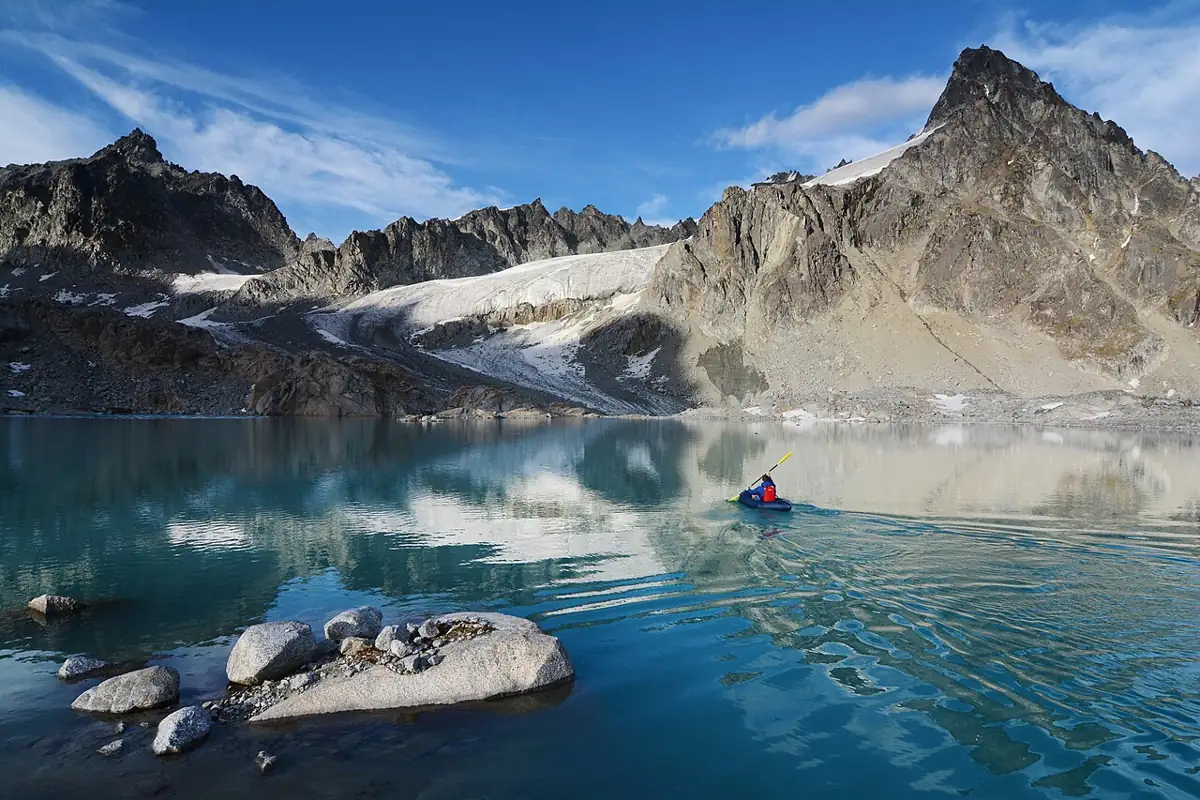
Field guide · packrafting
Packrafting notes for rivers, canyons and backcountry
Practical notes on choosing a packraft, paddling it well and planning trips on rivers from the Front Range to the Grand Canyon.
A packraft is a small inflatable boat light enough to carry in a backpack. Roll it up, hike to water, blow it up with a bag, and paddle out. Being able to carry the boat opens up rivers that would otherwise need a shuttle, a trailer and a full raft crew, and it lets a hiker link a canyon descent, a lake crossing and a float back to the car in one trip.
These pages are written for people who already paddle and for people who have only seen a packraft strapped to someone's pack at a trailhead. If you are new, start with the beginner primer on packrafting, then use the packrafting FAQ for quick questions about weight, cost of entry, dogs, permits and cold water. The photo pages show what the boats look like loaded and on the water.
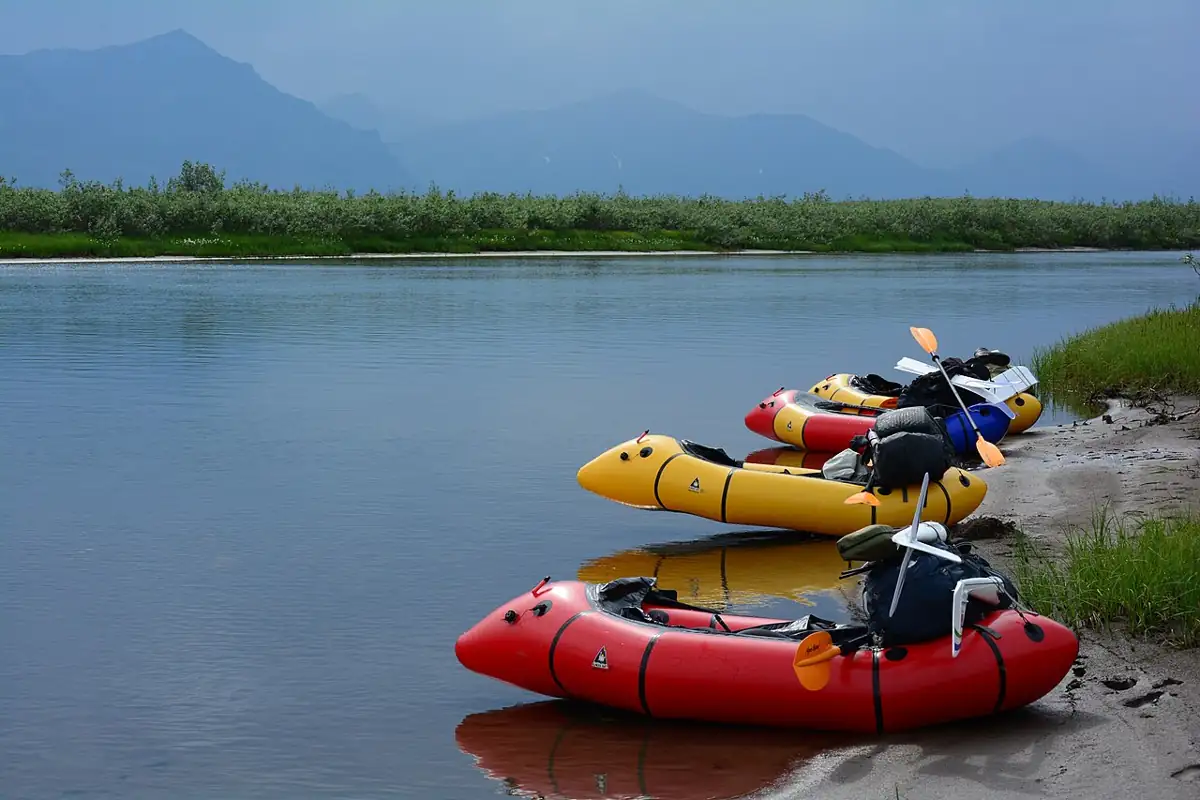
Packrafts
A guide to packraft designs, from lake boats to whitewater rigs, the features that set them apart and how to pick one.
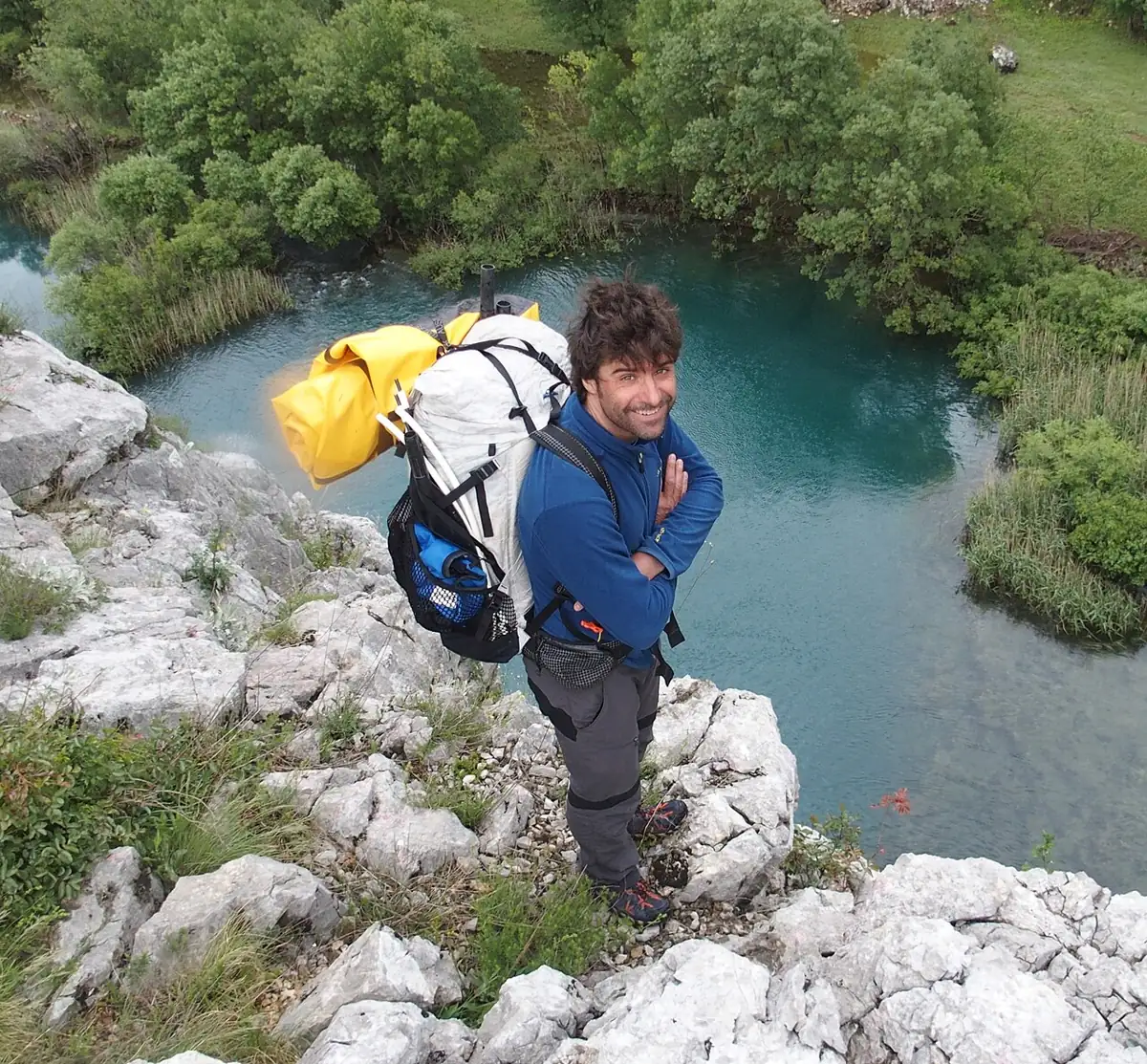
Packrafting gear and accessories
Paddles, PFDs, cold-water layers, bags, outfitting and repair: the kit that turns a bare packraft into a working boat.
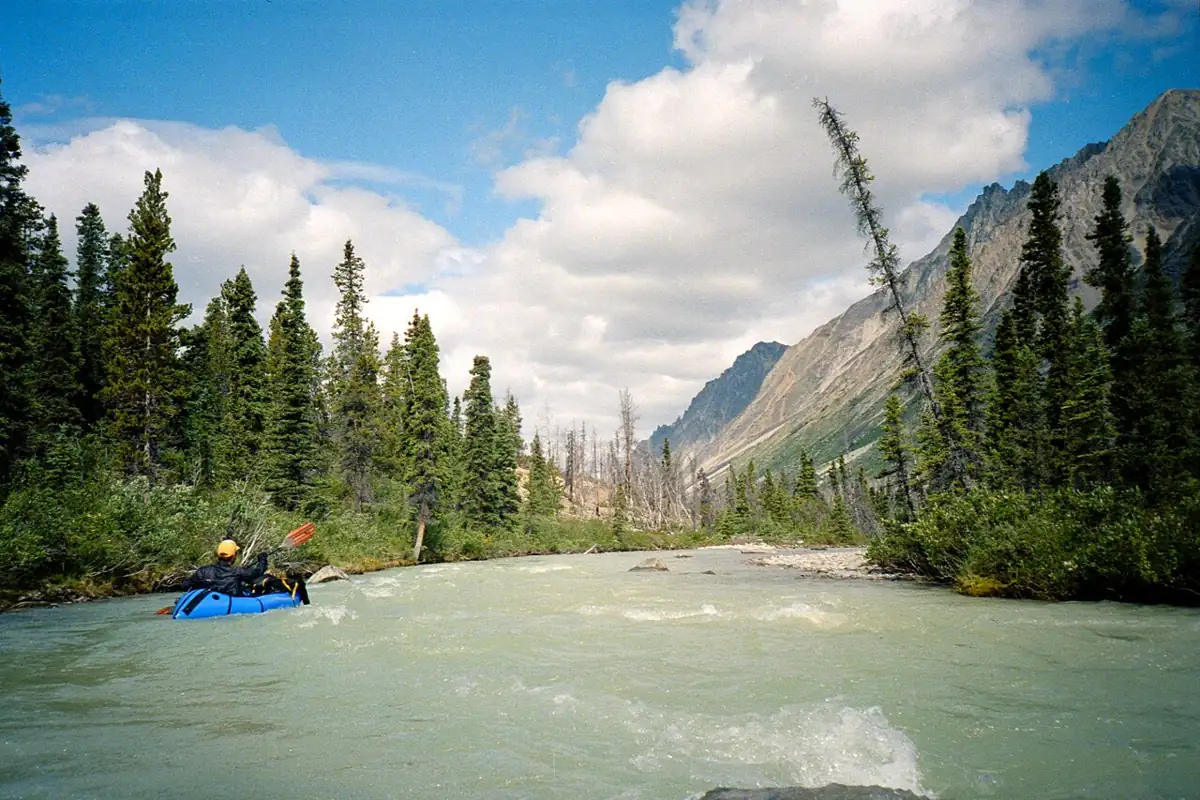
Packrafting skills
Technique and safety for packrafters, from first inflation to self-rescue, river grades, gauges and cold water, in a clear order.
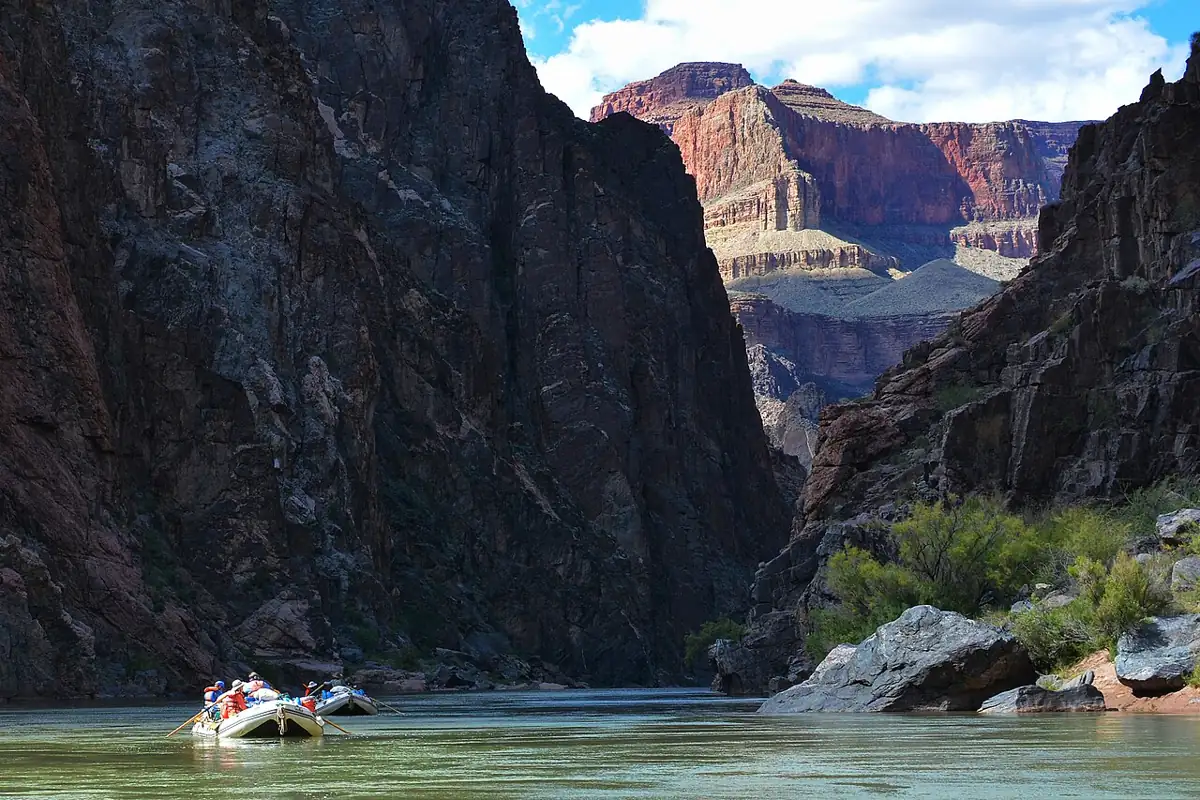
Packraft trips
River trip notes for packrafters, grouped by region, with a quick comparison of difficulty, season and permits.
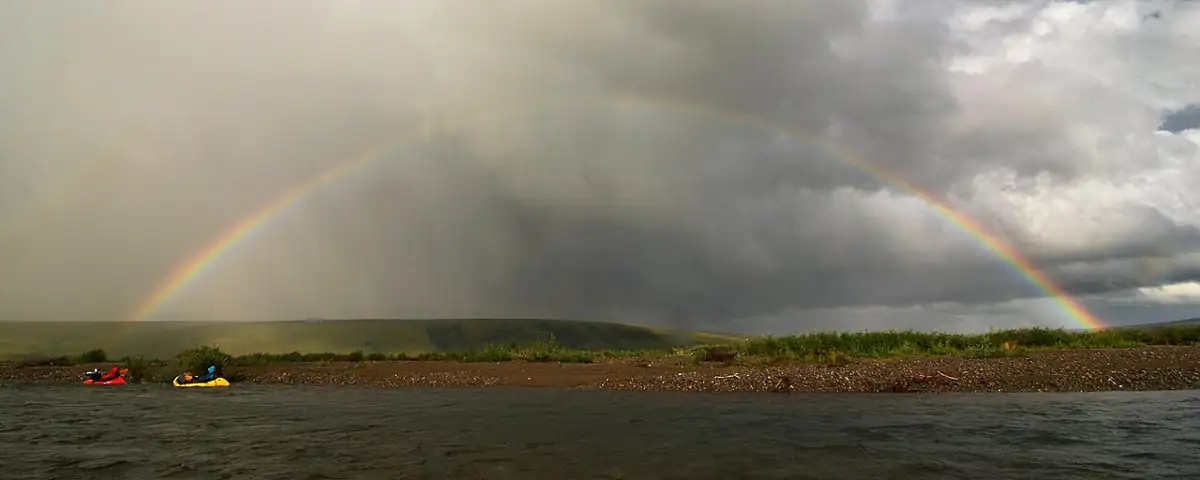
Journal
Essays and longer reads on packrafting culture, history, planning and the odd ways people use a small boat
Where to start, by goal
Most readers arrive with one question in mind. Pick the line that fits you and follow it in order.
| Your goal | Read first | Then |
|---|---|---|
| Deciding whether packrafting is for you | Why people take up packrafting | What a packraft can and cannot do |
| Choosing a first boat | How to pick the right size | Packraft or inflatable kayak? |
| Getting on the water safely for the first time | Packrafting 101 | Life jackets that work with a pack |
| Moving up to whitewater | How rapids are graded | Rescuing yourself after a swim |
| Planning a first overnight | Trip planning from map to shuttle | The Green River through Labyrinth Canyon |
| Paddling with a bike, rod or dog | Rigging a bike on a packraft | Packraft fishing notes |
If you would rather try a boat before owning one, read how renting works and what a packrafting course teaches. Both are cheaper ways to find out what you like than buying the wrong boat.
How the site is organised
There are five main sections, plus a few reference pages. Each section opens with a hub page that explains the topic and lists every article in it. Articles link sideways to related pages, so you can follow a thread from a boat feature to the skill that uses it and on to a river where it matters.
- Packrafts covers the boats themselves: designs, materials, features and buying advice.
- Gear covers everything you carry besides the hull, from paddles to repair kits.
- Skills runs from first inflation to rescue, with pages on flows, cold water and care.
- Trips holds route notes, grouped into Colorado, Utah, Arizona and further afield.
- Journal holds longer pieces on history, planning and combining packrafts with other sports.
The FAQ collects short answers with links into all five sections, and the gallery shows boats in use. Every page carries an updated date, and trip pages name the agency that manages each river.
Packrafts: how the boats differ
Packrafts have split into several families over the last two decades. Light lake boats weigh a few pounds and suit flatwater crossings. Whitewater boats add a longer stern, thigh straps and a spray deck. Self-bailers drain through a perforated floor. The Packrafts section walks through hull shape, fabric and fit. Good next reads are the parts of a packraft explained, the notes on what makes a boat river-ready, and the checklist for inspecting a secondhand boat before you hand over cash.
Gear: paddles, PFDs and what goes in the pack
Past the boat itself, a four-piece paddle, a life jacket that fits over a pack frame, a drysuit or wetsuit for snowmelt rivers and a way to inflate quickly matter as much as the hull. The Gear section covers each piece. Before an overnight trip, check the packing list for an overnight float. Keep the field and home repair guide handy as well, since every packraft gets a hole sooner or later.
Skills: from first strokes to self-rescue
Packrafts are forgiving boats, and that makes it easy to paddle onto water beyond your skills. The Skills section starts with inflating a packraft properly and basic strokes, then moves on to reading current, river difficulty classes, flipping and re-entering your boat, and checking flows on a USGS gauge before you drive to the put-in. If you plan to paddle snowmelt, read the cold water page first.
Trips: rivers worth carrying a boat to
The Trips section collects route notes grouped by region. Colorado trips range from the South Platte near Foxton to Ruby and Horsethief canyons. Utah trips include the classic flatwater float through Labyrinth Canyon on the Green River as well as the Escalante and the San Juan. Arizona covers the Grand Canyon and the Salt, and rivers further afield runs from Alaska to Big Bend. Each page lists the managing agency so you can check current permits and flows.
Journal: longer reads
The Journal has essays and planning pieces: a short history of the packraft, how people combine boats with skis, bikes, fishing rods and canyoneering ropes, and a step-by-step look at planning a packraft trip from map to shuttle.
Five checks before any river day
These take a few minutes at home and apply to a lake crossing as much as a canyon float:
- Look up the flow on the nearest gauge and compare it with what the route notes recommend.
- Read the weather for the whole drainage, not just the put-in.
- Dress for the water temperature, and pack a dry layer you can reach.
- Check the boat at home: valves, seams, any slow leak from last trip.
- Tell someone your put-in, take-out and expected finish time.
Pages across the Skills and Gear sections explain each step in more detail, starting with how to read a river gauge.